



Fire Engines, Stations And Kit Get £24m Upgrade As Reserves Set To Fall

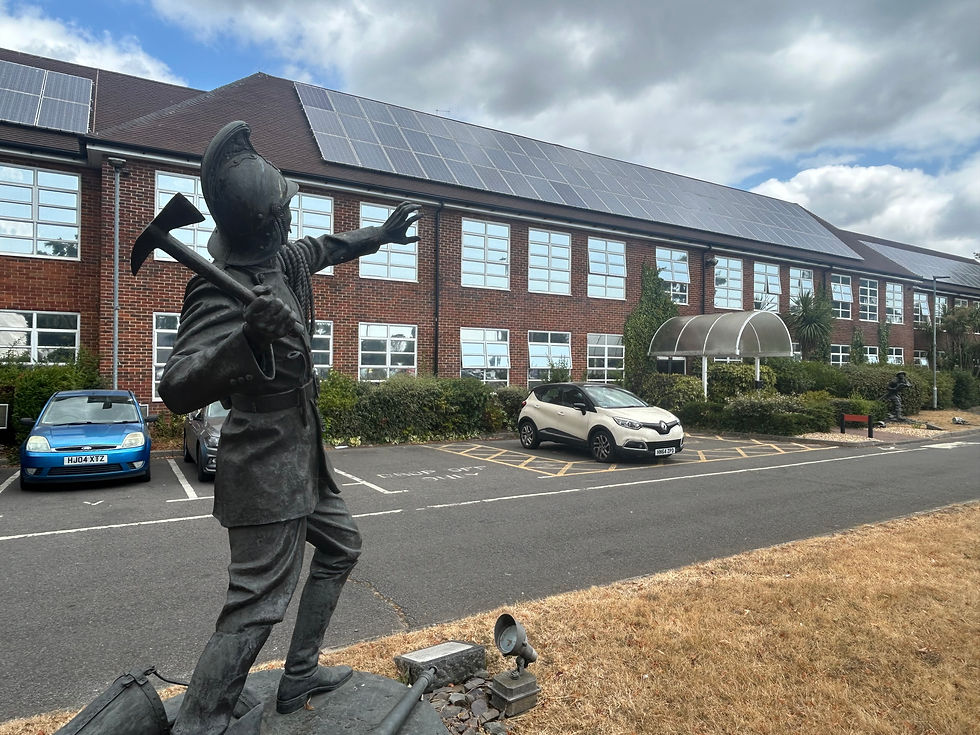
A major increase in spending on vehicles, buildings and equipment by Hampshire & Isle of Wight Fire and Rescue Service is pressing ahead this year.
The fire service’s £24.42million capital programme for 2026/27 is more than double what was spent in the previous 12 months.
The majority of this investment – £18.73million – will be funded directly from the authority’s earmarked reserves, with borrowing used to cover the rest.
A report by chief financial officer Rob Sarfas said £10.5million was allocated for vehicles and £12.09million for the estates programme.
Other projects include £1.39million for carbon reduction and £98,000 for Basingstoke Fire Station.
Speaking at the authority meeting on Tuesday, July 28, Mr Sarfas said: “I think it is important to remember the authority receives no capital grant funding from central government, so all of this capital expenditure to fund these assets needs to come from local resources.
“Sometimes there might be a capital receipt to contribute towards that but it’s primarily the use of reserves and the use of borrowing to fund that expenditure.”
This means local taxpayers are effectively shouldering most of the costs.
The planned expenditure will see the authority’s overall and earmarked reserves drop significantly.
At the end of March, overall reserves stood at £35.3million.
Over the next two years they are forecast to fall to around £10million due to planned investment in assets and a refresh of ICT and equipment.
Mr Sarfas said reserves fall into two main categories: funding for future planned expenditure, like a household saving up for big infrequent purchases, and mitigation for financial risk, like putting aside a rainy-day fund.
Councillor Paula Ferguson asked if there was a minimum level below which reserves should not fall.
The finance officer said a review was under way to assess whether all the planned capital spending in future years remains a priority.
He added that he must produce an annual report when the budget is set, giving his professional opinion on whether the authority’s reserves are adequate.
Mr Sarfas said: “Historically we have held a relatively low general reserve of about 2.5 per cent of revenue expenditure but relatively high earmarked balances compared to other fire and rescue authorities.
“As the earmarked reserves are forecast to reduce and be used over time, there is a recommendation to increase the level of the general reserve up to five per cent of general revenue expenditure.”
He said the authority was trying to balance investing in its fleet and buildings with keeping enough in reserve to manage future risks.


Comments